Engineered protection starts with prevention: a practical guide to fire safety systems
In this article…
Protection starts with prevention: fire safety systems
Workplace hazards can be obvious, but fire risks rarely are. Heat builds quietly inside machinery (office equipment, too). Electrical faults develop unnoticed. Combustible materials accumulate over time. Often, incidents happen only when several small issues align.
That’s why effective fire safety relies on a layered approach, combining detection, isolation, alerting, and prevention. When designed correctly, fire safety systems don’t just respond to incidents; they prevent escalation.
For a deeper technical breakdown of fire risks, compliance guidance, and system design considerations, download our full Fire Safety Guide:
What are fire safety systems?
Fire safety systems are engineered solutions designed to detect fire risks early, alert occupants, control hazards, and protect infrastructure automatically.
Rather than relying solely on manual intervention, they work together to:
Identify early warning signs
Alert occupants quickly
Isolate fuel or energy sources
Reduce fire spread and damage
Support safe evacuation
No single device delivers full protection; therefore, having an integrated system will provide resilience.
Common fire risks in commercial and industrial workplaces
Understanding risk is the first step towards effective prevention.
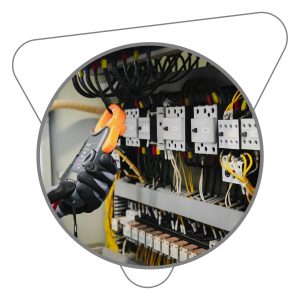
Electrical faults
Damaged wiring, overloaded circuits, and ageing equipment remain major fire causes. Regular inspection and proactive maintenance significantly reduce exposure.
Combustible materials
From packaging materials to industrial chemicals, combustible substances can accelerate fire spread if not managed correctly.
Heat-producing equipment
Boilers, motors, ovens, and plant machinery require correct clearance, maintenance, and monitoring to avoid ignition risks.
Human factors
Procedural lapses, poor housekeeping, or insufficient training often contribute to incidents.
Our full guide explores these risks in more detail, download it now!
Core components of an effective fire safety system
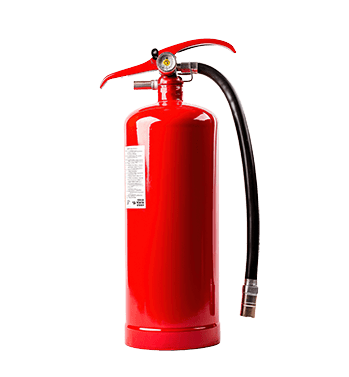
Fire extinguishers
Fire extinguishers are the first line of defence against small fires. Different types are designed for various fire classes (A, B, C, D, K), each suitable for specific types of fires. It is crucial to have the right type of extinguisher for the potential hazards in each area of your workplace. Proper placement throughout the facility ensures quick access in an emergency. Regular maintenance and inspection of fire extinguishers must be undertaken to ensure they function correctly when needed.
Fire alarm systems
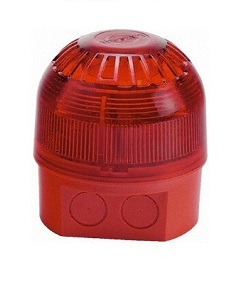
Early warning is crucial in fire safety, and a comprehensive fire alarm system is vital. This typically includes smoke detectors, heat detectors, and manual call points, all connected to a central alarm system. Remember… Smoke detectors can identify fires in their early stages, while heat detectors are useful in areas where smoke detectors might cause false alarms.
Emergency panic button
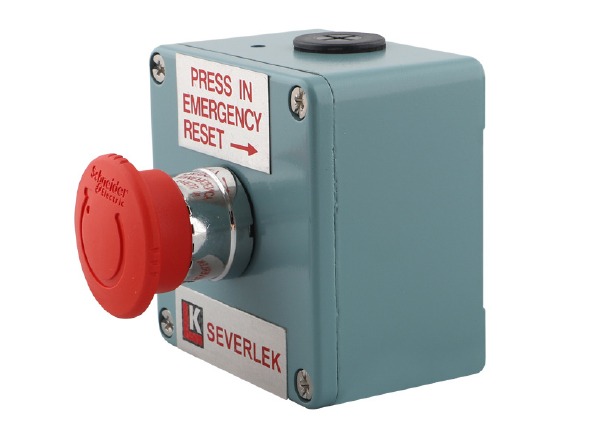
Emergency panic buttons are crucial safety devices in fire protection systems. These latching push button switches, when activated, can immediately sound an alarm or isolate equipment. Typically, coloured bright red for easy identification, these buttons are strategically placed throughout facilities, providing a quick and accessible means of alerting others to a fire or other dangerous situations.
Lever fire valves
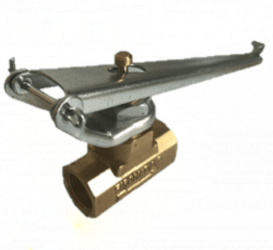
Lever fire valves are compact, versatile devices that can be installed in both horizontal and vertical fuel pipe runs, providing a leak-proof, positive action mechanism for fuel isolation. The valve is typically held open by a tensioned stainless steel cable, which includes a fusible link located near the boiler or other heat-generating equipment. In the event of a fire, this fusible link melts, causing the valve to close automatically and isolate the fuel supply, thereby reducing the risk of fire spread or explosion.
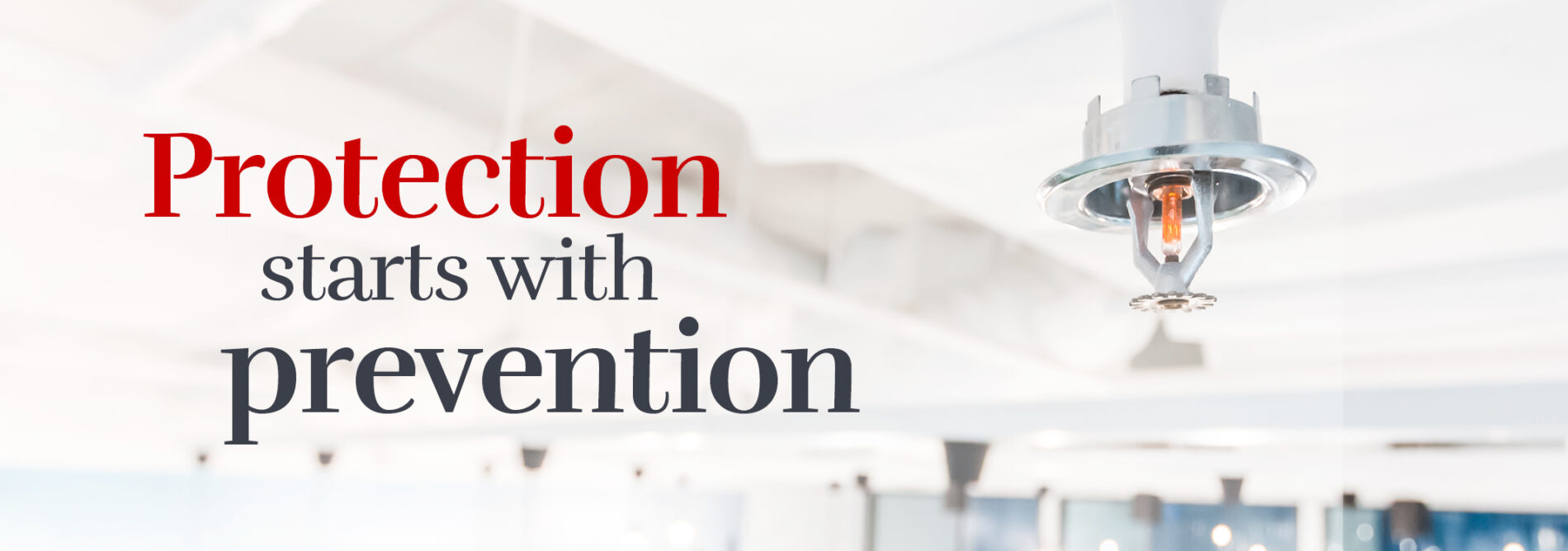
Sprinkler systems
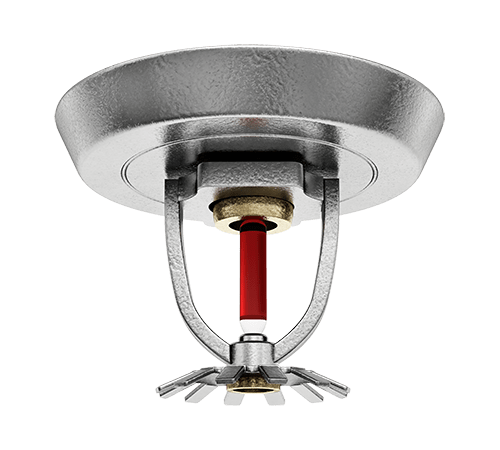
Automatic sprinkler systems are highly effective in controlling fires before they spread. These systems detect heat from a fire and activate to dispense water in the affected area. They can significantly reduce property damage and save lives by controlling or extinguishing fires in their early stages.
Stainless steel free fall fire valves
Stainless steel free fall fire valves are crucial components in fire protection systems, particularly designed for generators and biomass plant rooms. These versatile valves serve dual purposes, functioning in either cut-off or dump applications to isolate or discharge fuel supplies during emergencies.
Fire blankets
Fire blankets are simple yet effective tools for smothering small fires or wrapping around a person whose clothes have caught fire. They are particularly useful in kitchens, laboratories, and workshops where there is a risk of small fires or clothing ignition. Fire blankets should be easily accessible and staff should be trained in their proper use.
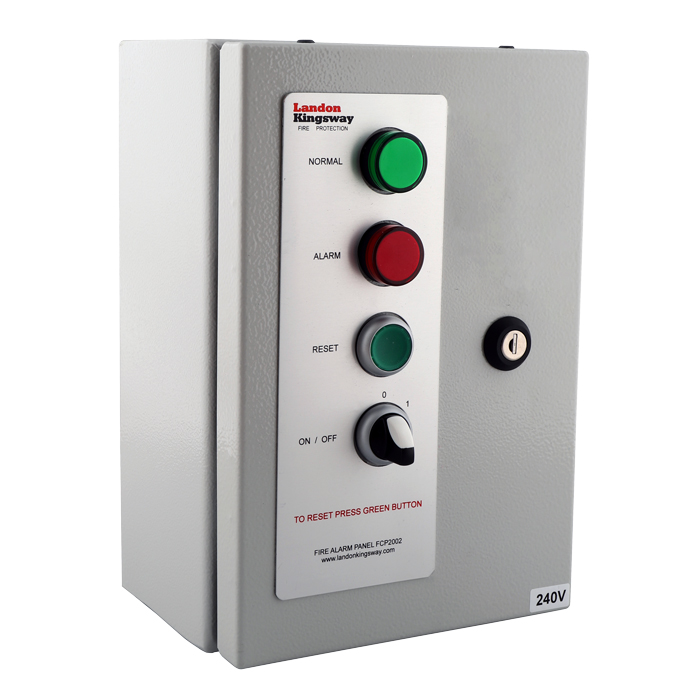
Fire control panel
The fire control panel serves as the central hub of a comprehensive fire protection system. This versatile unit acts as the primary control interface, seamlessly integrating various safety devices through a simple loop wiring system. It can connect to an array of sensors including panic buttons, electro-thermal links, and gas detectors, providing a unified monitoring solution.
Why system integration matters
Fire incidents rarely stem from a single failure. They usually occur when safeguards operate in isolation.
For example:
Detection without isolation allows fire growth
Isolation without alarms delays evacuation
Alarms without detection rely on chance
Training and preparednessstill matter
Evacuation plans
Regular drills
Fire wardens
Use of fire equipment
Maintaining fire safety systems
Fire safety systems must remain operational at all times.
Key priorities include:
Routine inspections
Professional servicing
Accurate maintenance records
Periodic system reviews
Preventative maintenance protects both compliance and operational resilience.
Trust Landon Kingsway for all your fire protection needs
Whether reviewing existing systems or planning new installations, understanding your fire risk profile is essential. Landon Kingsway provides technical guidance, system design support, and site assessments to ensure fire safety systems are correctly specified from day one.
Ensure your workplace has the correct fire protection measures in place. Our experts can provide a comprehensive fire safety assessment of your premises. Call now on 0121 327 7881 or contact us through our website.
And for a deeper technical overview, download the complete Fire Safety Guide.
FAQs (Frequently Asked Questions)
What industries benefit from fire safety systems?
Industrial manufacturing, energy, utilities, commercial buildings, plant rooms, and infrastructure environments all rely on engineered fire protection.
How often should fire safety systems be inspected?
Inspection frequency varies by equipment and regulatory requirements, but regular testing and professional servicing are essential.
Can fire safety systems integrate with existing infrastructure?
Yes. Modern systems commonly integrate with alarms, building management systems, ventilation controls, and emergency shutdown protocols.
Do I need a professional fire risk assessment?
Yes. Professional assessment ensures compliance, correct specification, and appropriate system integration.
Where can I learn more about fire safety best practice?
Our comprehensive Fire Safety Guide provides deeper technical insight, compliance advice, and practical implementation recommendations.