Generator Fuel Systems for Standby and Data Centre Applications
In this article…
Why generator fuel systems matter more than ever
Across critical infrastructure, from data centres and hospitals to telecoms and industrial facilities, power resilience is non-negotiable.
Backup generators are designed to protect operations during outages. But their performance depends entirely on one often overlooked factor: the generator fuel system behind them.
Without a properly designed generator fuel system—covering storage, transfer, filtration and monitoring—even the most advanced generator cannot deliver reliable performance when it is needed most.
A generator fuel system is the complete infrastructure responsible for storing, conditioning, transferring and monitoring fuel supplied to a generator.
It typically includes:
bulk fuel storage tanks
day tanks near generators
transfer pumps
filtration and fuel polishing systems
tank venting and pressure protection
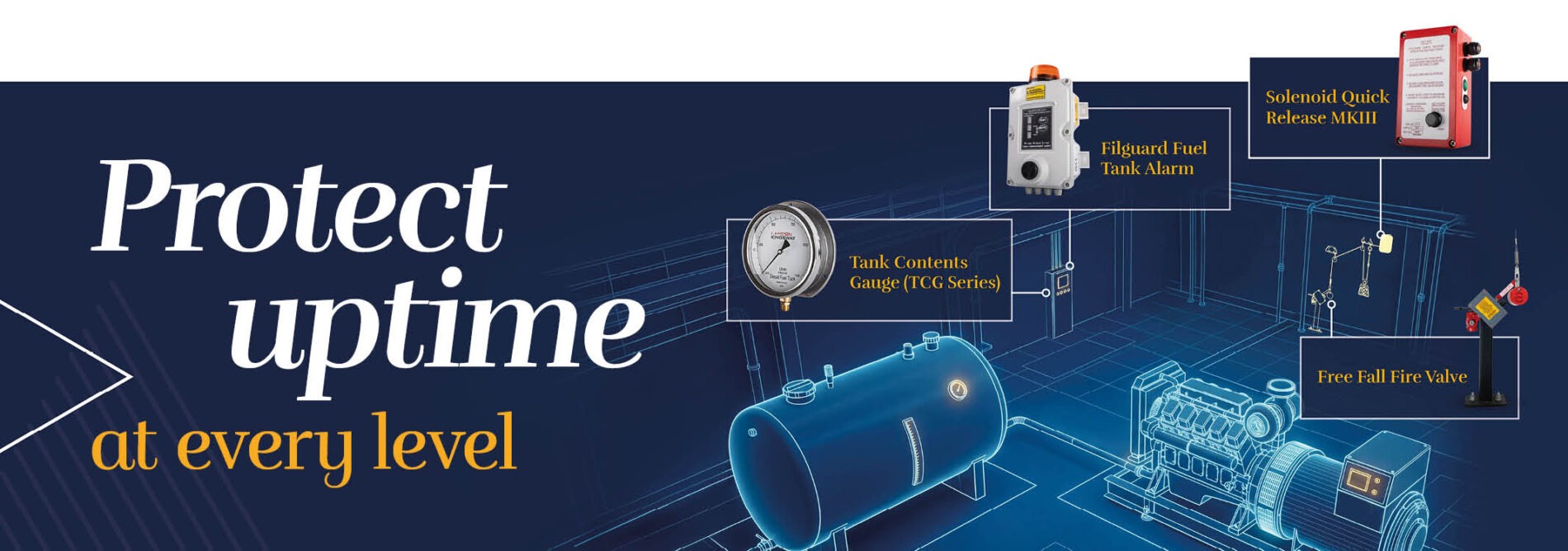
level sensing and monitoring equipment
alarms and safety systems
Together, these components form a complete generator fuel system that ensures fuel is available when required, maintained within specification, and safely managed throughout operation.
Requirements for data centre generators
Data centres operate under some of the most demanding uptime requirements of any industry. These environments place specific demands on any generator fuel system:
High uptime and immediate response
Generators must start instantly and run without interruption, which requires a fuel system capable of delivering a consistent, fail-safe supply.
Extended runtime capability
Many facilities require 24 to 72+ hours of continuous operation without refuelling, placing significant demand on storage and transfer infrastructure.
Redundancy and resilience
To eliminate single points of failure, systems often include multiple tanks, duplicated pumps, and independent fuel lines.
Fuel quality assurance
Stored diesel must remain stable over long periods. Any contamination or degradation can directly compromise generator performance.
Main components in a generator fuel system
A reliable generator fuel system is built from several interdependent components, each supporting storage, movement, conditioning and monitoring of fuel.
Storage and supply
Bulk storage tanks provide long-term capacity, while day tanks located near generators ensure a consistent and immediate fuel supply.
Fuel transfer and movement
Transfer pumps move fuel between tanks and generators. In critical environments, redundant pump arrangements are often specified.
Fuel quality management
Filtration and fuel polishing systems remove particulates, water and microbial contamination, helping maintain fuel integrity during long-term storage.
System protection and safety
Tank venting and pressure protection systems prevent over-pressurisation, while flame arrestors may be required depending on the application.
Monitoring and control
Monitoring systems track fuel level, flow rates and tank conditions, while alarms and safety devices protect against overfilling, leaks and system faults.
Designing a generator fuel system requires careful planning across compliance, safety, maintainability and future operational requirements:
1. Compliance and regulations
Systems must meet relevant standards for fuel storage, environmental protection and safety.
2. Maintainability
Components should be accessible for inspection, servicing and replacement without disrupting operations.
3. Safety
Includes spill prevention, fire protection, safe venting, and overfill protection.
4. Access and layout
The system layout should allow for safe refuelling and operational efficiency.
5. Future scalability
Facilities should be designed to accommodate increased runtime requirements, additional generators, and system upgrades.
Integrating monitoring and alarms
Modern generator fuel systems rely heavily on real-time monitoring and control.
Typical instrumentation includes hydrostatic level sensors, float switches, flow meters, tank gauges, and high-level alarms.
These systems can integrate with Building Management Systems (BMS) and SCADA platforms to enable operators to detect issues early, optimise fuel usage, and maintain compliance and reporting.
Example fuel system configurations
Generator fuel systems can be configured in several ways depending on site requirements:
Single-tank systems
Simple and cost-effective, typically used in smaller or lower-risk installations with limited redundancy.
Bulk tank + day tank systems
The most common configuration in critical infrastructure is providing a consistent fuel supply and supporting extended runtime.
Multi-tank, redundant systems Used in data centres and high-risk environments, these systems eliminate single points of failure and support continuous operation under fault conditions.
Maintaining fuel quality during storage
Diesel fuel degrades over time due to oxidation, water ingress, and microbial growth, particularly in long-term storage conditions. This can lead to sludge formation, blocked filters, injector damage, and reduced generator efficiency.
Fuel typically lasts 6–12 months untreated. Fuel polishing and filtration systems are essential to:
Designing and implementing a generator fuel system requires specialist expertise. When working with a supplier, it is important to provide:
generator specifications
required runtime
site layout and constraints
redundancy requirements
compliance considerations
Typical deliverables may include:
system schematics
component specifications
installation guidance
Ongoing technical support
Supporting reliable generator fuel systems
Landon Kingsway supplies a comprehensive range of engineered equipment to support generator fuel systems, including fuel transfer pumps, filtration and polishing systems, tank venting and safety devices, monitoring and alarm solutions, and level sensing equipment.
These solutions are designed to support safe, compliant and reliable fuel system operations across critical applications.
Final thoughts
Backup generators are essential for maintaining operations during power outages, but their reliability depends on more than the generator itself.
A well-designed generator fuel system ensures fuel is available, clean, and properly managed, allowing generators to perform when they are needed most.
Trust Landon Kingsway for reliable generator fuel systems
Landon Kingsway provides technical expertise, system design support and site surveys to ensure fuel systems are correctly specified from the outset.
Follow us on LinkedIn for updates and the latest technical insights.
FAQs (Frequently Asked Questions)
A generator fuel system is an infrastructure that stores, conditions, transfers and monitors fuel supplied to a generator.
Fuel systems are critical in data centres because they ensure uninterrupted fuel supply, supporting high uptime and redundancy requirements.
A generator fuel system usually contains tanks, pumps, filters, monitoring equipment, alarms, and safety systems.
Typically, you can store untreated diesel fuel for 6–12 months; longer with filtration and conditioning.
A generator day tank is a smaller tank located near the generator that provides an immediate and controlled fuel supply.
Fuel monitoring is important because it allows operators to track fuel levels, detect faults early, and ensure sufficient fuel is available during operation.
Fuel polishing is a process that removes contaminants to maintain fuel quality during storage.