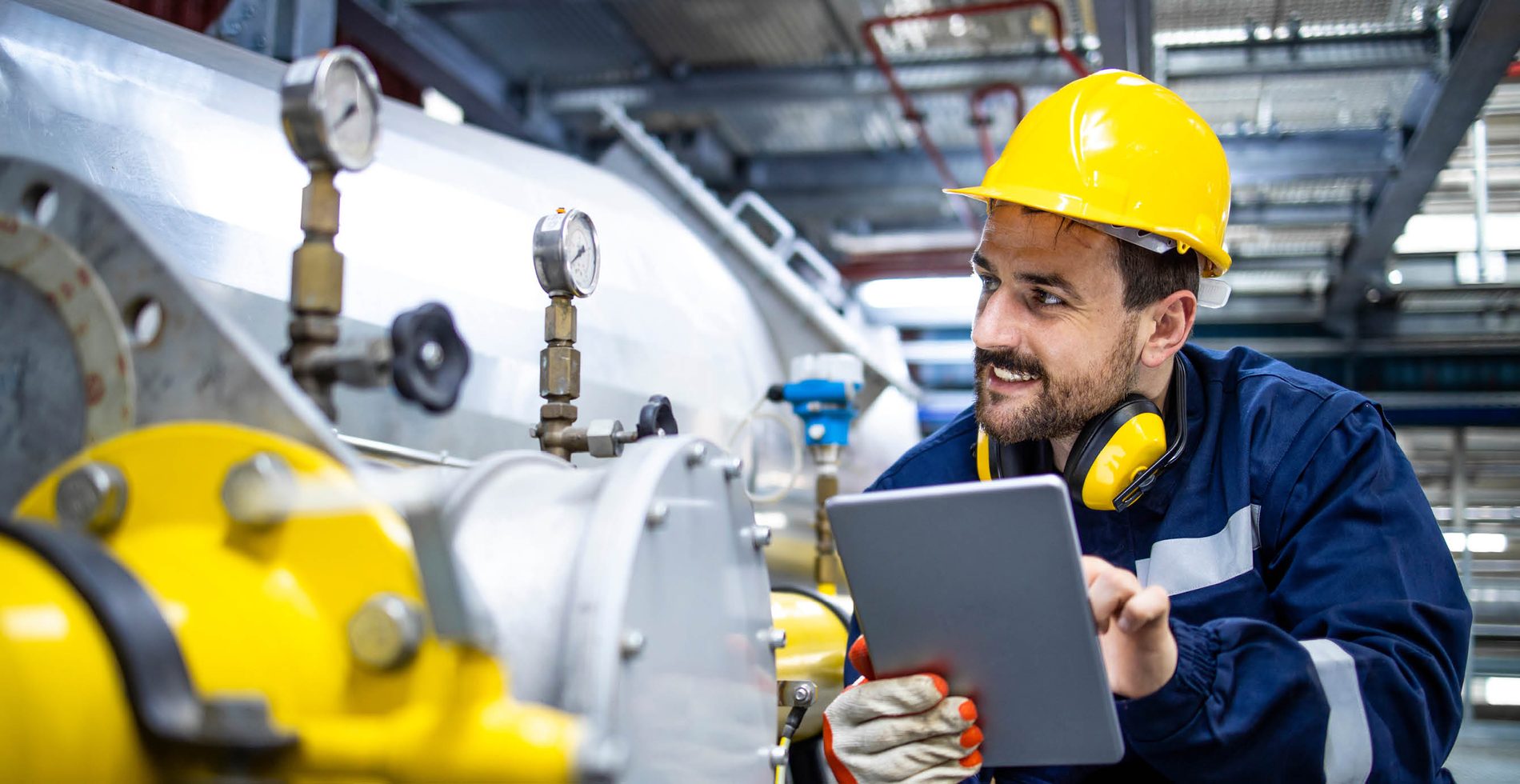
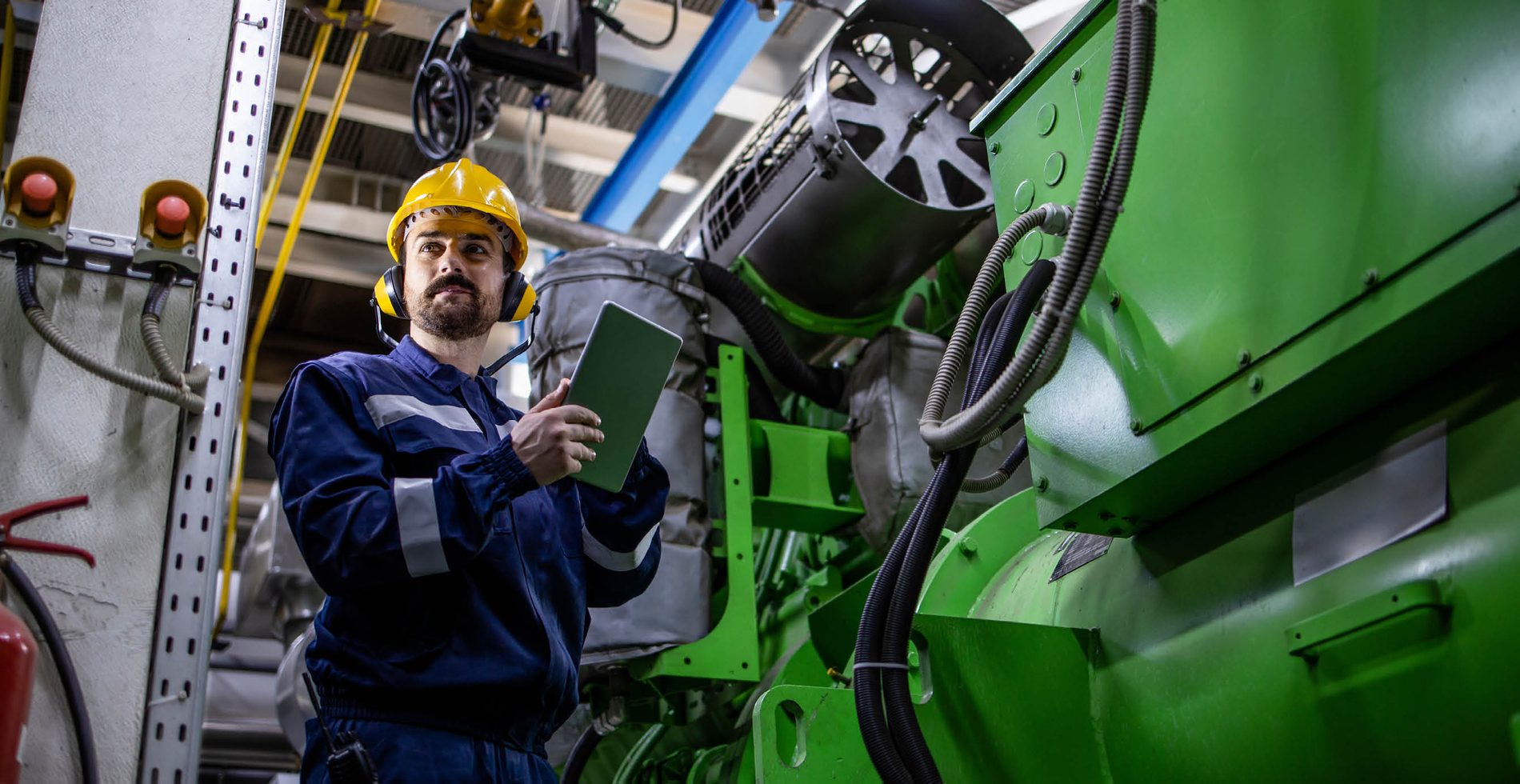
A diesel fuel polishing system is designed to maintain the quality of stored diesel by removing water, sediment and microbial contamination before it can affect generator performance. By continuously conditioning fuel during storage, it helps ensure standby generators receive clean, reliable fuel whenever they are called into operation.
Backup generators spend most of their lives waiting. Whether protecting a data centre, hospital, manufacturing facility or telecommunications network, generators may sit unused for weeks or even months. Ironically, this inactivity can become one of the greatest threats to generator reliability.
Over time, stored diesel naturally degrades. Condensation introduces water into storage tanks, microbial growth begins to develop, sludge accumulates and fuel quality declines. When a generator is finally needed during a power outage, contaminated fuel can block filters, damage injectors, reduce engine performance, or prevent the generator from starting altogether.
A diesel fuel polishing system helps prevent these issues by continuously cleaning stored fuel, extending fuel life and supporting reliable standby power for critical applications.
A diesel fuel polishing system is a dedicated fuel conditioning system that continuously cleans and restores stored diesel fuel by removing water, particulate contamination and microbial growth.
Unlike standard fuel filters, which only clean fuel as it passes through the engine during operation, a fuel polishing system works independently of the generator. Fuel is continually circulated through a series of filters and water separators before being returned to the storage tank.
This process helps maintain fuel quality throughout long periods of storage, reducing the risk of contamination affecting generator performance.
Typical diesel fuel polishing systems include:
transfer pumps
water separators
coarse and fine filtration
fuel conditioning units
control panels and timers
pressure gauges
isolation valves
monitoring and alarm systems
Together, these components help ensure stored diesel remains within specification and ready for use.
Fuel polishing vs fuel filtration
Although the terms are often used interchangeably, fuel polishing and fuel filtration perform different functions.
Fuel Filtration
Fuel Polishing
Cleans fuel during generator operation
Cleans stored fuel whether the generator is running or not
Protects engine components
Protects both stored fuel and engine components
Reactive process
Preventative maintenance process
Removes contaminants once fuel reaches the engine
Continuously maintains fuel quality during storage
While filtration remains an essential part of every fuel system, fuel polishing provides an additional layer of protection for standby generators operating in critical environments.
What causes diesel fuel contamination?
Diesel fuel naturally changes over time, particularly when stored for extended periods. Several factors contribute to fuel degradation:
Water ingress
Condensation inside storage tanks introduces moisture into diesel fuel. Even small amounts of water create the ideal conditions for contamination and microbial growth.
Microbial contamination
Bacteria, fungi and microbes develop where water meets diesel fuel. These organisms multiply rapidly, producing biomass that blocks filters and damages fuel systems
Oxidation
As diesel ages, exposure to oxygen causes chemical changes that reduce fuel quality and create insoluble deposits.
Sediment and sludge
Dust, rust, degraded fuel and microbial waste accumulate within storage tanks, eventually forming sludge that can clog pumps, filters and injectors.
Maintaining diesel fuel quality standards
Modern diesel fuel requires careful management due to the inclusion of biodiesel components. Under BS EN 590, diesel fuel can contain up to 7% Fatty Acid Methyl Ester (FAME), which improves emissions performance but can also increase the fuel’s tendency to absorb moisture during long-term storage.
When microbial growth, commonly known as “diesel bug”, occurs, this can produce a sludge and accelerate fuel degradation.
For critical standby power applications, maintaining fuel cleanliness is essential. Fuel polishing systems help facility operators actively manage contamination levels by continuously removing water and particulate matter from stored diesel.
Fuel cleanliness is often measured using standards such as ISO 4406, which provides a coding system to classify contamination levels based on the number of solid particles within fuel. In high-reliability environments, operators may specify cleanliness targets and use fuel polishing systems with monitoring equipment to maintain required levels.
How diesel fuel polishing systems work
A generator fuel polishing system continuously recirculates fuel through a dedicated cleaning process. The process typically follows these four stages:
1. Fuel extraction
Fuel is drawn from the storage tank using a dedicated transfer pump.
2. Water separation
Water separators remove free and emulsified water before fuel reaches the filtration stages.
3. Multi-stage filtration
Fuel passes through progressively finer filters that remove dirt, rust particles, microbial contamination and other suspended solids.
4. Fuel return
Clean fuel is returned to the storage tank, where circulation continues until the entire fuel volume has been conditioned.
Many systems operate automatically using programmable timers or Building Management Systems (BMS), ensuring fuel remains in optimum condition with minimal operator intervention.
When should you specify a fuel polishing system?
Not every generator installation requires fuel polishing, but many critical applications benefit significantly from it. Fuel polishing should be considered where diesel is stored for extended periods or where generator reliability is business critical.
Common applications include:
data centres
hospitals
emergency services
telecommunications infrastructure
airports
manufacturing facilities
utilities
commercial buildings with standby generators
Any site relying on emergency power should consider the long-term condition of stored diesel alongside the generator itself.
Designing fuel polishing into new generator fuel systems
Including a diesel fuel polishing system during the initial design stage often provides the most efficient solution. Important design considerations include:
Tank capacity
The polishing system should be appropriately sized to circulate the entire fuel volume within the required maintenance cycle.
Flow rate
Pump capacity should balance effective cleaning with practical operating times.
Duty cycle
Automatic scheduling helps maintain fuel quality while reducing energy consumption.
System integration
Fuel polishing equipment should integrate seamlessly with existing transfer pumps, monitoring equipment and control systems.
Service access
Filters, separators and maintenance points should remain easily accessible to minimise servicing downtime.
Planning these considerations early helps create a more reliable and maintainable generator fuel system.
Fuel polishing systems must be designed alongside the wider fuel storage installation.
Storage tanks used within generator fuel systems should meet appropriate design and fabrication requirements, including standards such as BS 799-5 for carbon steel oil storage tanks and BS EN 12285 for workshop fabricated steel tanks.
When installing fixed fuel polishing systems, careful consideration must be given to:
suction and return line connections
tank penetrations
pipework routing
isolation points
maintenance access
Correct integration ensures the fuel polishing system supports fuel quality management without compromising the integrity, safety or compliance of the overall storage system.
Existing fuel storage systems can often be upgraded without replacing storage tanks. Retrofitting a generator fuel polishing system typically involves:
installing a dedicated polishing loop
connecting new pipework to existing tanks
adding filtration and water separation equipment
integrating electrical controls
commissioning and testing
In many cases, retrofitting can be completed with minimal disruption while significantly extending fuel life and improving generator readiness.
When retrofitting fuel polishing equipment, it is important that new pipework, connections and filtration equipment are integrated without compromising the existing fuel storage installation.
Considerations include:
tank compatibility
pipework penetrations
bund requirements
electrical connections
safe maintenance access
For commercial diesel storage installations, fuel polishing equipment and associated pipework should also comply with relevant environmental requirements, including secondary containment provisions where applicable.
Ensuring polishing equipment is installed within appropriate containment helps protect against leaks and supports safe fuel management.
Choosing the right diesel fuel polishing package
Fuel polishing systems can be configured in different ways depending on site requirements. Smaller installations may use compact filtration units, while larger critical infrastructure applications may require dedicated polishing cabinets with automated controls, monitoring and integration with existing fuel management systems. Consider:
storage tank capacity
expected fuel storage duration
generator duty cycle
contamination risk
required automation
monitoring requirements
maintenance accessibility
future system expansion
Working with an experienced supplier ensures equipment is correctly specified for both current and future operational requirements, while supporting wider resilience objectives outlined in the UK Government Resilience Action Plan (RAP), published in July 2025.
Monitoring fuel quality
Modern fuel polishing systems often integrate with monitoring technologies that provide real-time insight into fuel condition. These may include:
Particle monitoring can help operators assess fuel cleanliness against recognised standards such as ISO 4406, which classifies contamination levels based on the number of particles at different sizes.
For critical applications, automated monitoring allows fuel polishing systems to continue operating until specified cleanliness targets are achieved, providing greater confidence that standby generators are ready when required.
Supporting reliable standby power
A standby generator is only as reliable as the fuel it receives.
By maintaining diesel quality throughout storage, fuel polishing systems reduce contamination, improve generator readiness and help protect critical infrastructure against unexpected failures.
Landon Kingsway supplies engineered fuel polishing solutions alongside fuel transfer equipment, monitoring systems, filtration technologies and fuel storage accessories that support safe, compliant and reliable generator fuel systems across a wide range of industries.
Trust Landon Kingsway for diesel fuel polishing systems
Whether you’re designing a new generator fuel system or upgrading an existing installation, Landon Kingsway provides the technical expertise and engineered solutions to help maintain fuel quality and maximise standby power reliability.
Call 0121 327 7881 or contact us via our website to discuss your requirements.
When safety systems need certainty, you need LK.
Follow us on LinkedIn for technical insights into fuel management, generator infrastructure and critical power systems.
Frequently Asked Questions (FAQs)
1. What is a diesel fuel polishing system?
A diesel fuel polishing system continuously removes water, sediment and microbial contamination from stored diesel fuel, helping maintain fuel quality and improve generator reliability.
2. How is fuel polishing different from fuel filtration?
Fuel filtration cleans fuel as it passes through the engine, whereas fuel polishing continuously conditions stored fuel, even when the generator is not operating.
3. When should a generator have a fuel polishing system?
Fuel polishing is recommended where diesel is stored for long periods or where reliable standby power is essential, such as in data centres, hospitals and industrial facilities.
4. Can fuel polishing systems be added to existing fuel tanks?
Yes. Many fuel polishing systems can be retrofitted to existing storage tanks with minimal disruption, depending on the existing installation.
5. What contaminants does fuel polishing remove?
Fuel polishing systems remove water, particulate contamination, microbial growth, sludge and other deposits that develop during long-term diesel storage.